Nov 14, 2025
Document AI: The Next Evolution of Intelligent Document ProcessingPersona
Industry
Use cases
Contract Management
[ Contract Management ]

Use LlamaParse to turn messy contracts into verified, structured data your team can act on.
The USP

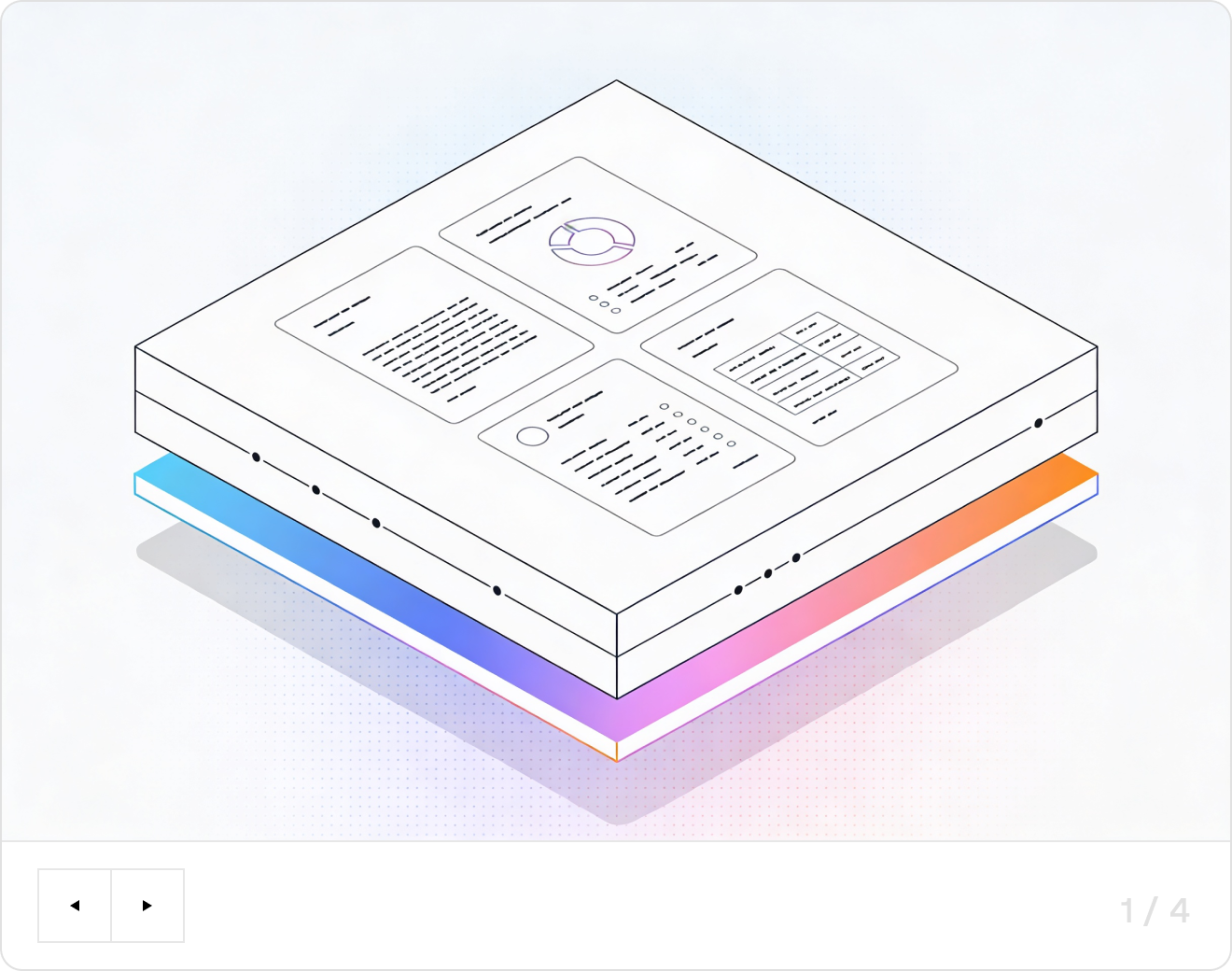
LlamaParse turns messy contract PDFs and scans into clean, structured JSON or Markdown, so you can track clauses, dates, and obligations reliably. Agentic document parsing understands layout and tables, adds citations and confidence scores, and reduces review time while keeping audits defensible.
Built for Complexity

Turn customer and vendor contracts into clean, schema-ready JSON with natural-language parsing instructions, so founders can power renewal alerts, usage-based billing terms, and sales ops without building a brittle extraction pipeline. LlamaParse handles messy PDFs and changing templates with layout-aware structure and tier-based processing, keeping accuracy high while controlling API spend as volume spikes.

Automate intake for loan agreements, ISDAs, and custody contracts by extracting key clauses, counterparties, and covenants from dense, multi-column documents and tables without scrambling reading order. JSON mode plus granular metadata (page citations and coordinates) enables audit-friendly exception review and faster policy compliance checks with traceable outputs.

Parse subcontractor agreements, change orders, and SOWs to reliably pull unit pricing, schedules, and scope tables from scanned PDFs and forms where traditional OCR breaks. Multimodal parsing captures embedded diagrams and tabular line items into structured Markdown/JSON, enabling faster dispute resolution and more accurate project cost forecasting.

Extract obligations, deliverables, milestones, and payment terms from CTAs, MSAs, and CRO contracts—often packed with complex tables, appendices, and scanned exhibits—into consistent, AI-ready outputs. Auto-correction loops reduce manual QC on high-stakes documents, while verifiable metadata supports regulated review workflows and inspection readiness.
The Engine Room
Feature 01
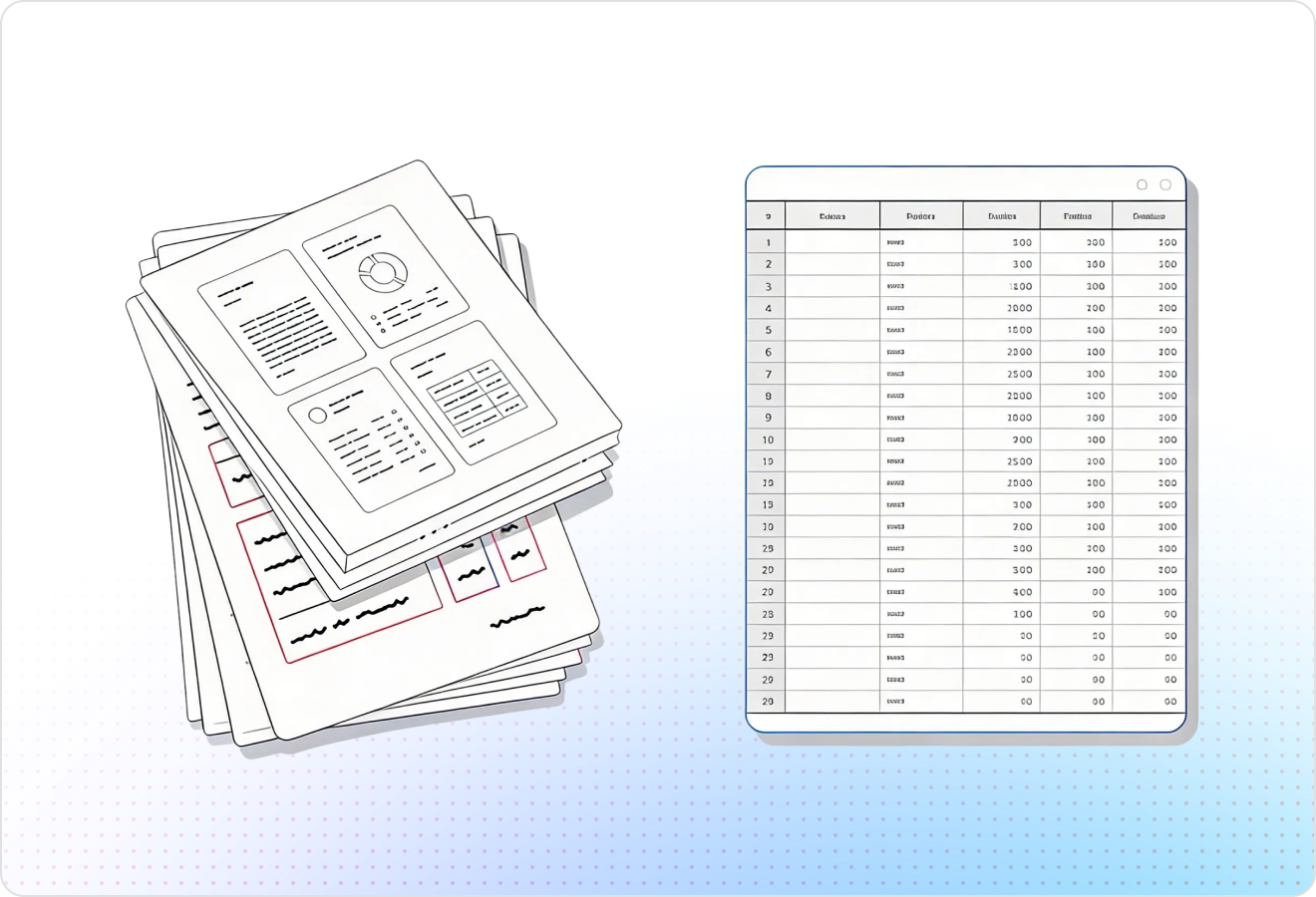
LlamaParse understands page structure (clauses, headings, multi-columns, headers/footers) so text comes out in the right reading order instead of a scrambled blob. For contract management, that means cleaner clause libraries, more reliable search, and fewer missed terms during review.
Feature 02
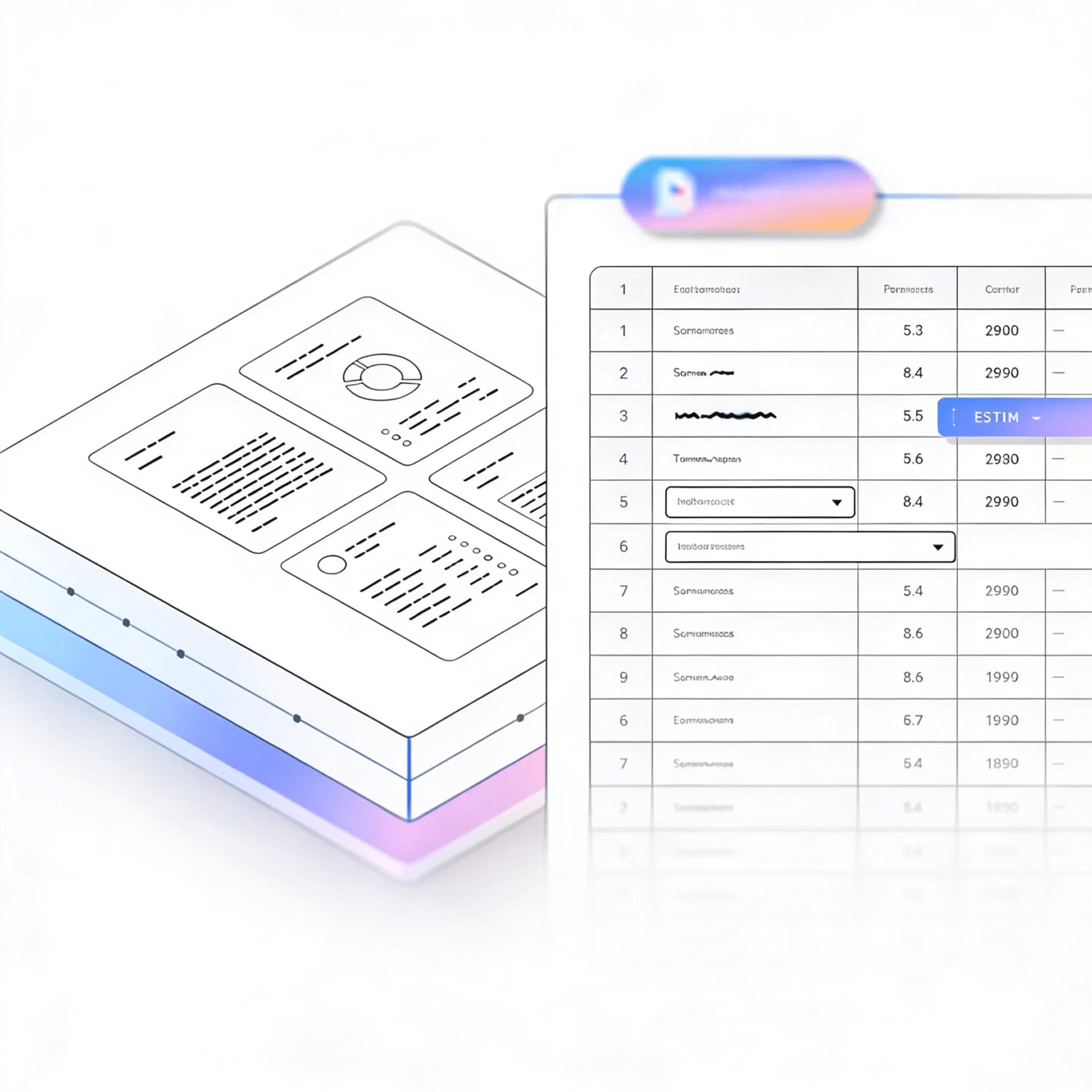
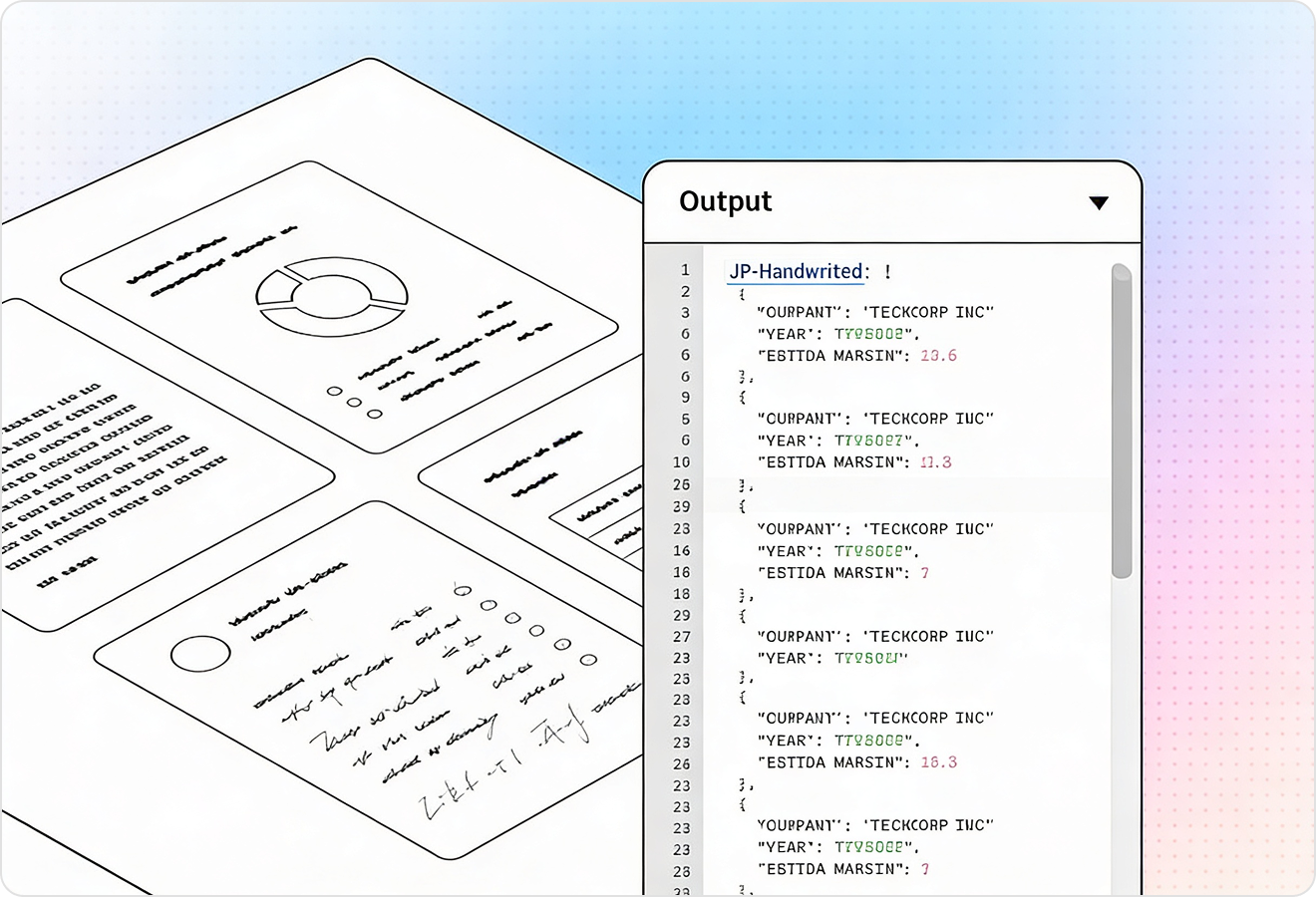
LlamaParse extracts complex tables without breaking row/column alignment, even in scanned PDFs and dense annexes. This makes it practical to capture pricing schedules, SLAs, renewal matrices, and signature blocks as usable data for downstream workflows.
Feature 03
LlamaParse can return structured JSON plus granular metadata like page numbers and element coordinates for traceability. In contract management, you can store extracted fields (party names, dates, governing law, termination terms) with citations so reviewers can verify every value quickly.
Feature 04
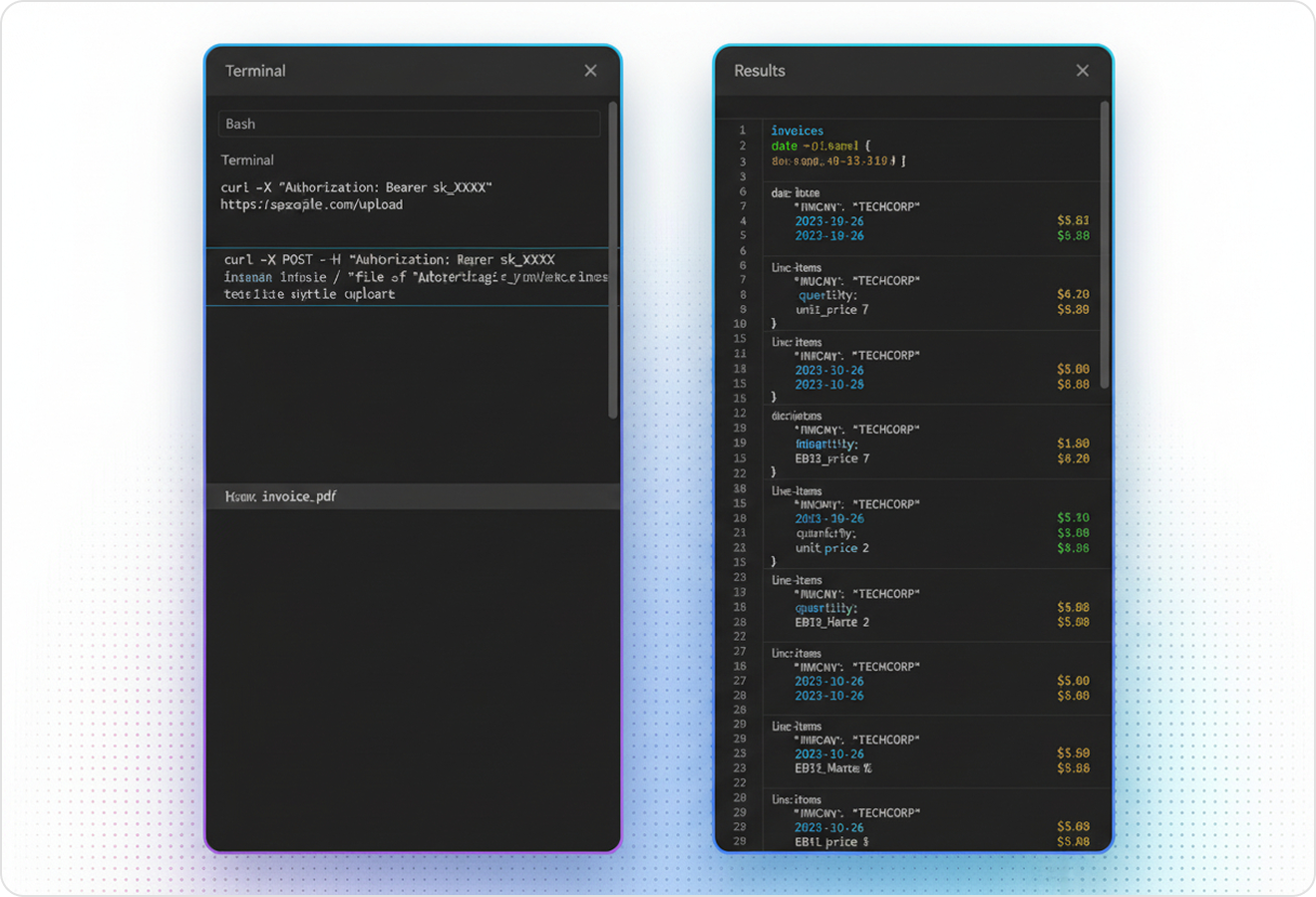
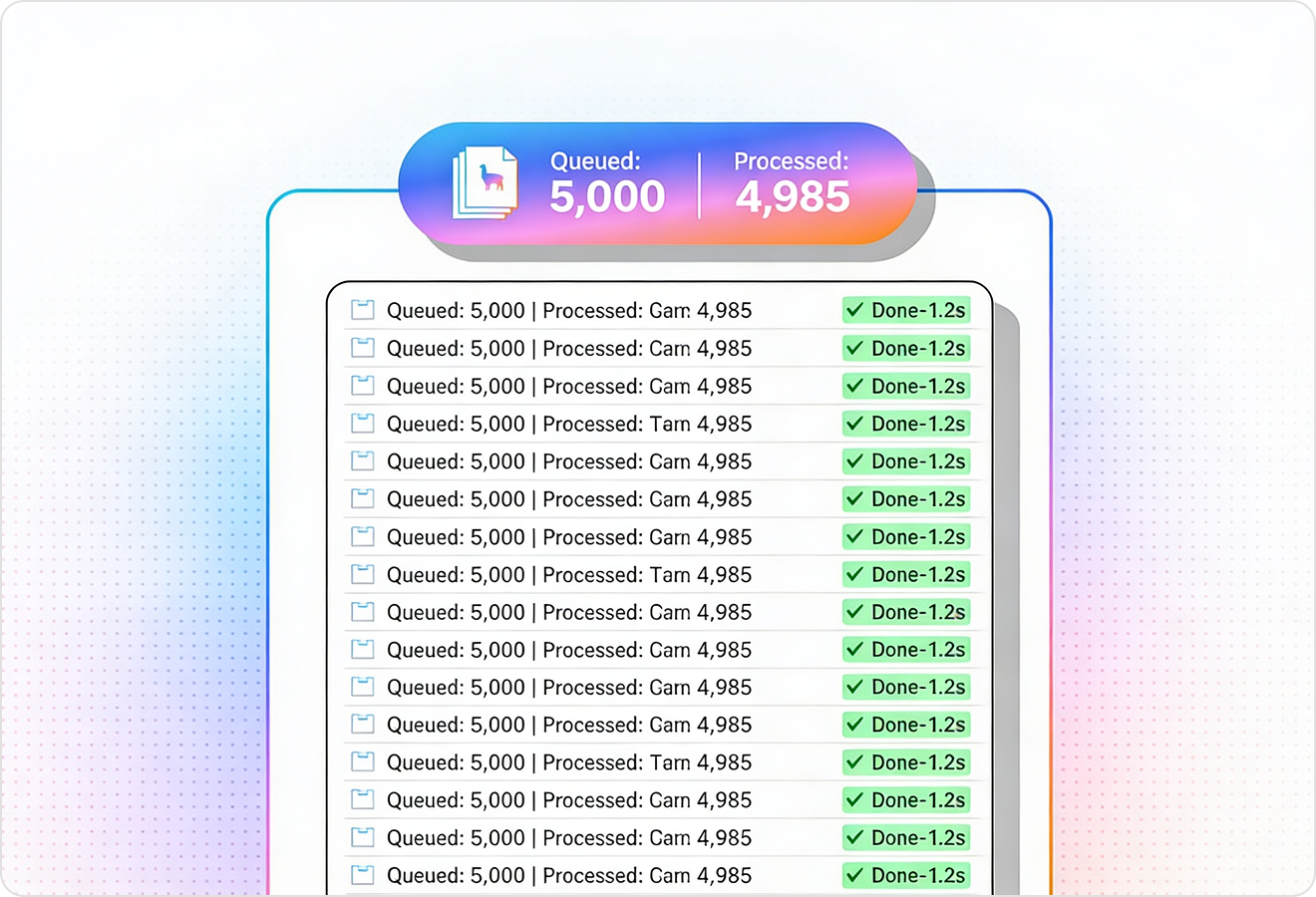
LlamaParse uses validation loops to catch common extraction errors and self-correct before returning the final output. That reduces downstream exceptions when ingesting large volumes of contracts and helps keep key fields consistent across vendors, templates, and scan quality.
Technical OCR documentation
Explore our developer guides to easily connect your document pipelines to LlamaParse.
Explore the framework

Our AI catches the typos that tired eyes miss.

Export to Excel, JSON, XML, or directly via API.

SOC2 Type II compliant with end-to-end encryption.

Train the tool on your specific forms in minutes, not days.

Average processing time of <3 seconds per page.
LlamaParse’s support of a wide variety of filetypes and its accuracy of parsing made it the best tool we tested in our evaluations. The LlamaIndex team was very responsive and we were off to the races within a day.
Common FAQs
01
Our layout-aware parsing understands headings, clause structure, multi-column pages, and repeating headers/footers so text is extracted in the right order—not as a scrambled block. That means cleaner clause libraries, more reliable search, and fewer missed terms during review.
02
Yes—table extraction preserves row/column alignment even in dense annexes and scanned documents. You get usable, structured table data for downstream workflows like renewals tracking, obligations management, and analytics.
03
We return structured JSON plus traceability metadata such as page numbers and element coordinates for each field. Reviewers can click back to the source location to confirm party names, dates, governing law, and termination terms quickly.
04
What happens when OCR makes mistakes—do we need to build our own post-processing to clean the data?
Validation and auto-correction loops catch common extraction issues before results are returned, reducing manual cleanup. This helps keep key fields consistent across vendors, templates, and varying scan quality so your system doesn’t break on edge cases.
05
How reliable is extraction across different contract templates and document quality?
The parser is designed to handle variation in formatting, including inconsistent clause numbering, mixed fonts, and uneven scans. Validation steps improve consistency so you can ingest large volumes with fewer exceptions and less rework.
06
How does this improve contract review speed without sacrificing accuracy or auditability?
Structured JSON with citations lets teams review only what matters and verify values at the source in seconds. Combined with layout-aware parsing and accurate tables, you reduce missed terms and re-reading time while maintaining an audit-friendly trail.