Nov 14, 2025
Document AI: The Next Evolution of Intelligent Document ProcessingPersona
Industry
Use cases
Health Insurance Software
[ Health Insurance Software ]

Use LlamaParse to turn messy claim forms into structured data you can validate automatically.
The USP

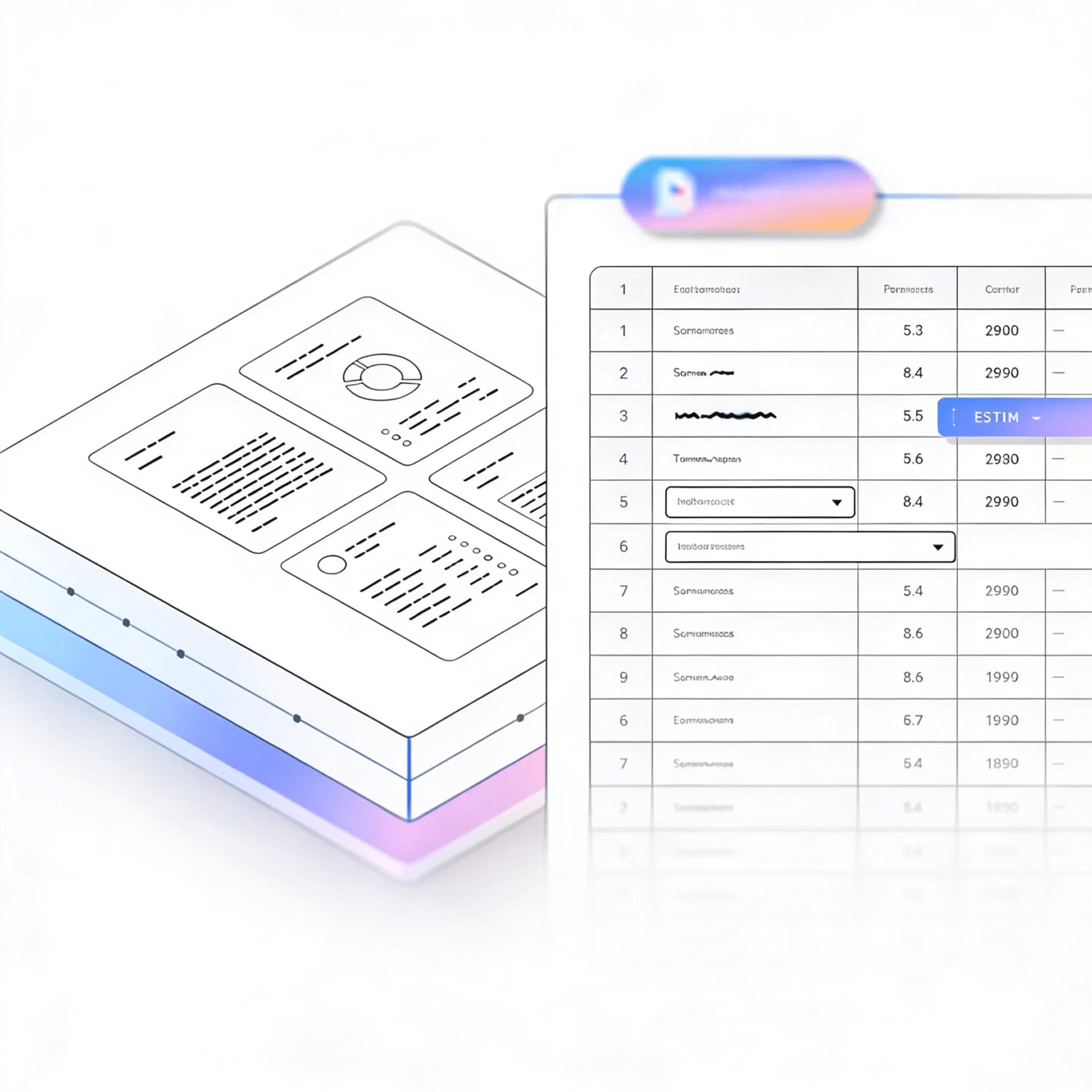
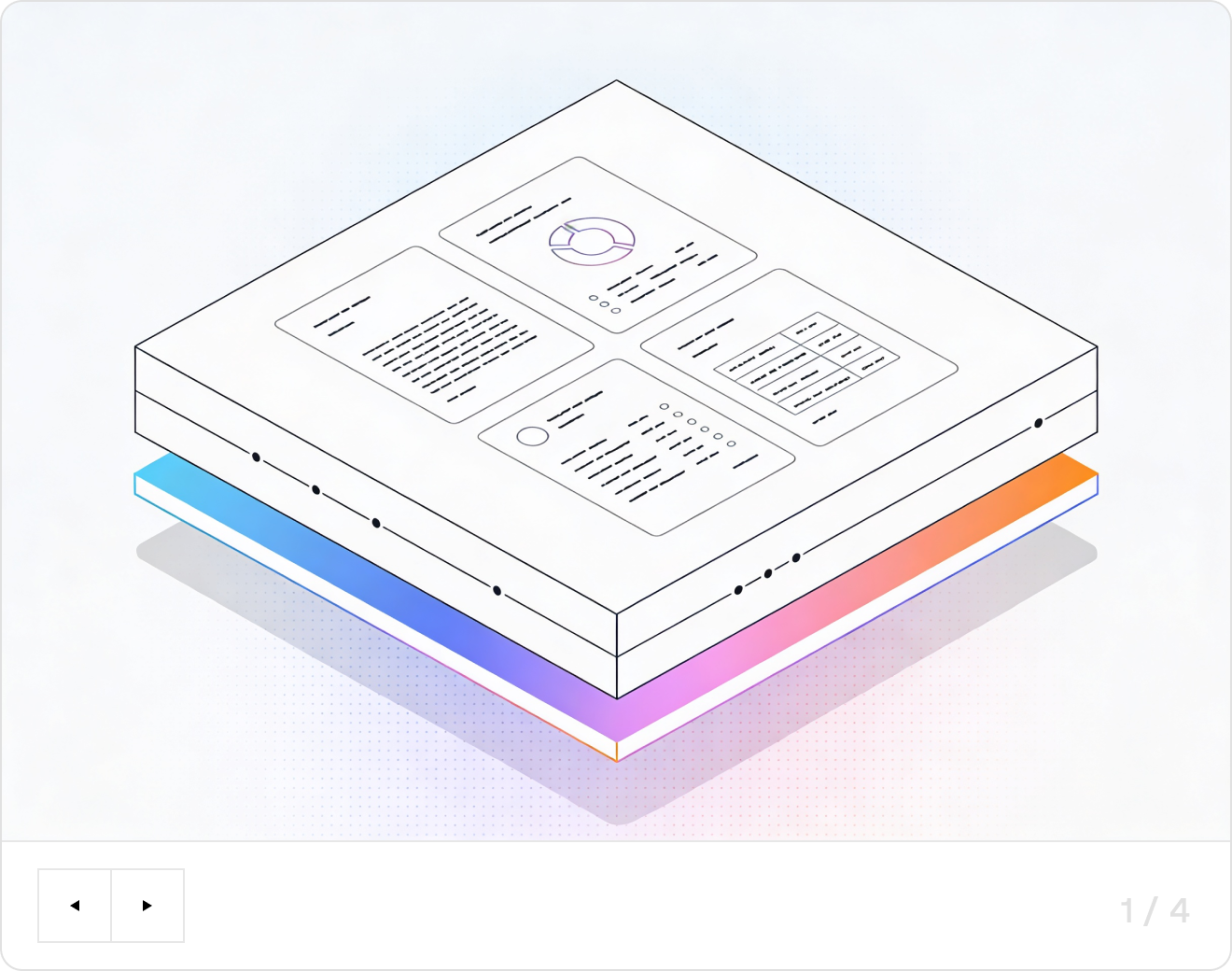
LlamaParse turns messy claim forms, EOBs, and provider attachments into clean, structured data your claims workflow can actually automate. Layout-aware parsing with validation loops reduces manual rework, preserves tables and codes, and returns verifiable outputs your team can trust.
Built for Complexity

Use LlamaParse to ingest UB-04/CMS-1500 PDFs, EOBs, prior auth packets, and appeal letters into structured JSON with page-level citations so adjudication and audit workflows stop relying on brittle template rules. Layout-aware table extraction preserves line-item charges and denial reason mappings, while auto-correction loops reduce pend rates caused by misread totals, modifiers, and member identifiers.

Turn messy provider documentation—itemized statements, remits, and supporting clinical notes—into clean, normalized fields that reconcile payments, adjustments, and underpayments without manual re-keying. Natural-language parsing instructions let ops teams enforce client-specific output schemas (payer codes, CPT/HCPCS, CARC/RARC) and route only the hardest scans to higher tiers to keep per-claim costs predictable.

Parse claim files, medical records, and correspondence into evidence-ready summaries with traceable citations, making it faster to assemble appeal packages and respond to regulatory inquiries. Multimodal parsing captures tables, embedded images, and chart-based exhibits accurately, avoiding the common failure mode where traditional OCR scrambles chronology and misquotes key figures.

Ship an MVP that reads real-world claim documents out of the box—no template training—by using LlamaParse as the ingestion layer for your document agent workflow. JSON mode plus granular metadata makes it easy to power routing, fraud flags, and customer-facing claim status updates, while tier-based processing keeps early-stage unit economics under control.
The Engine Room
Feature 01
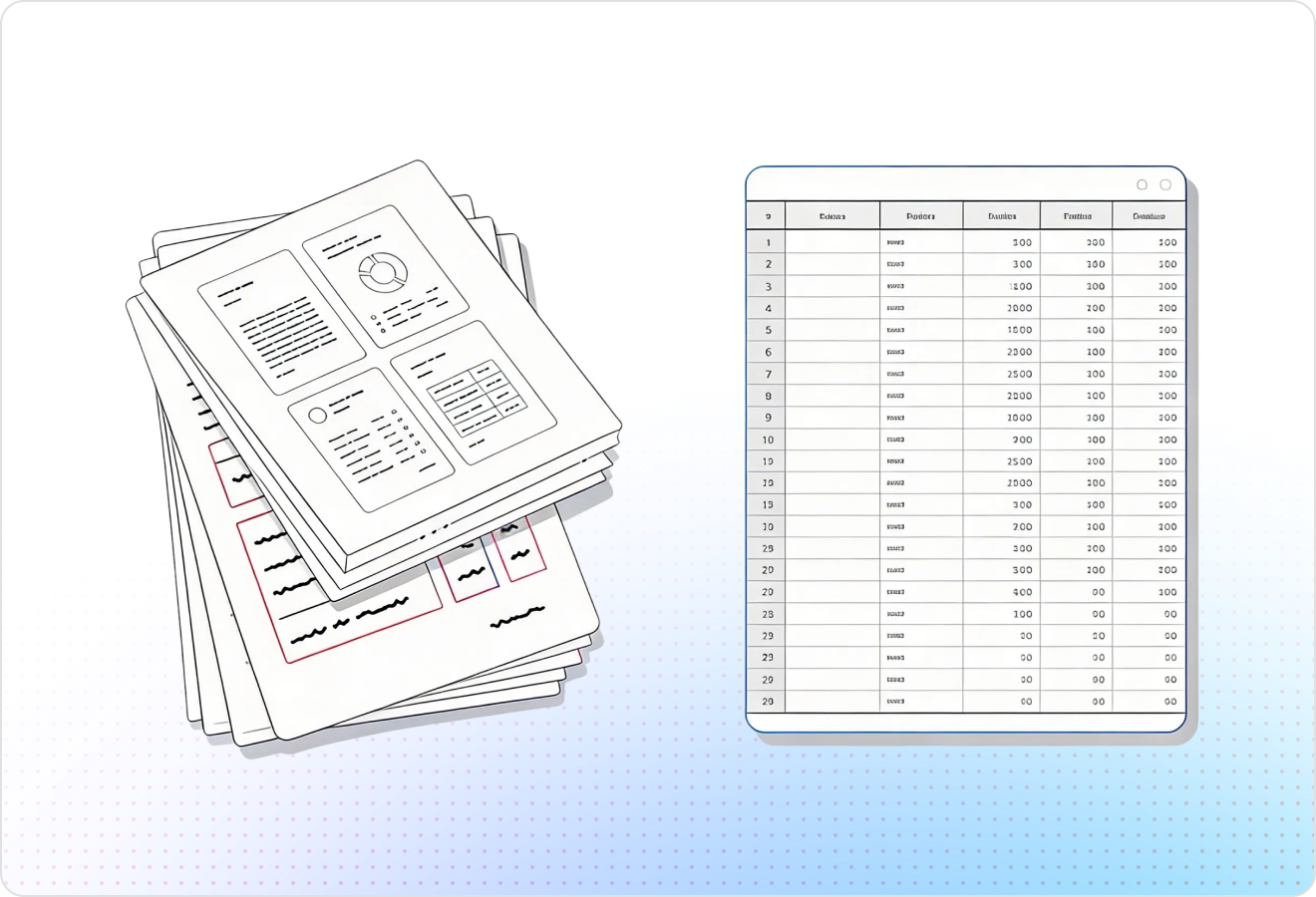
LlamaParse understands real claim layouts—multi-column forms, headers/footers, and dense sections—so member, provider, and payer details stay in the right reading order. That reduces downstream normalization work and prevents mis-mapped fields that create denials or rework in claims processing software.
Feature 02
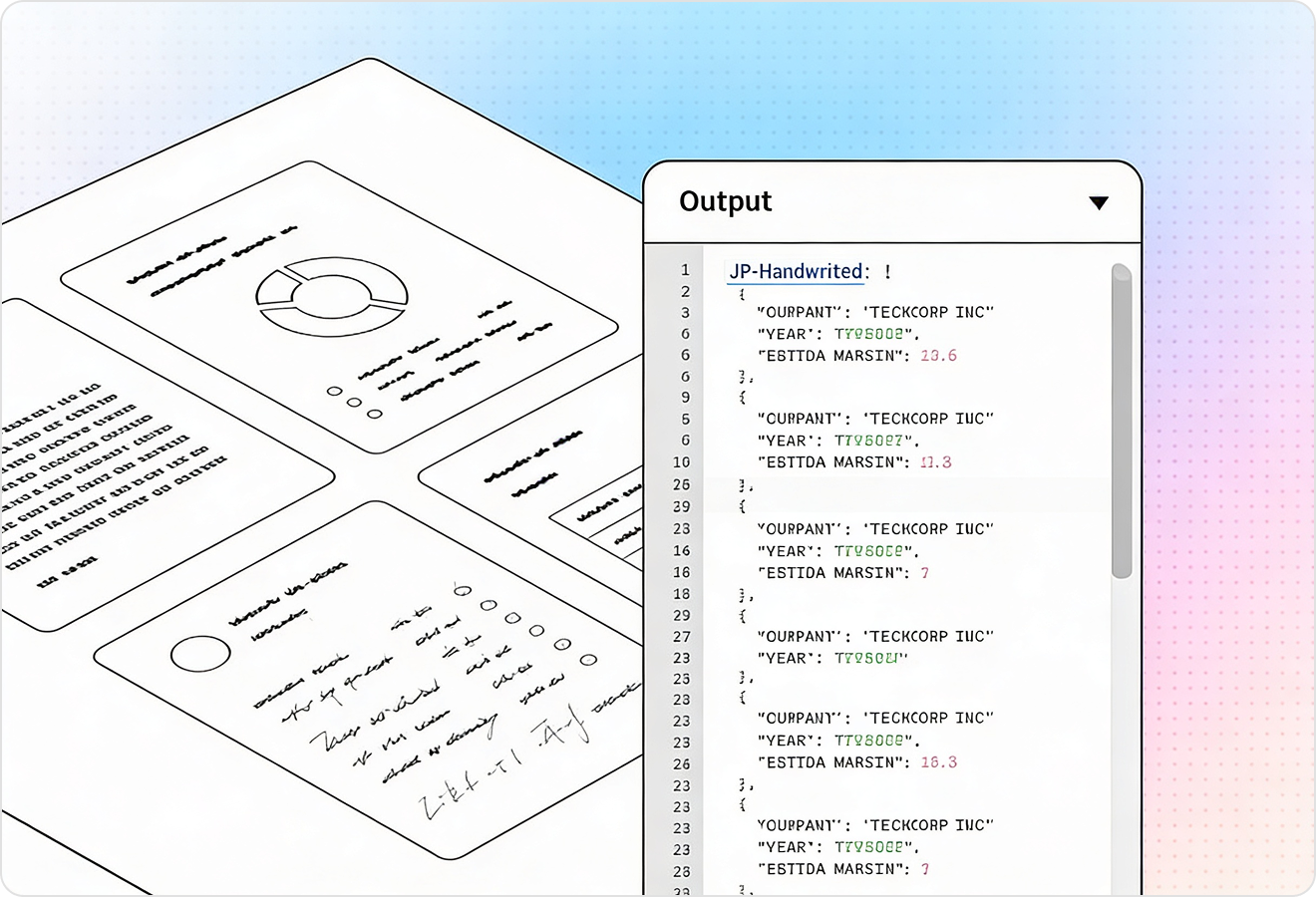
LlamaParse reliably extracts complex tables like CPT/HCPCS line items, units, charges, adjustments, and totals without scrambling rows or columns. This makes it easier to validate billed amounts, reconcile EOBs, and automate adjudication rules with fewer exceptions.
Feature 03
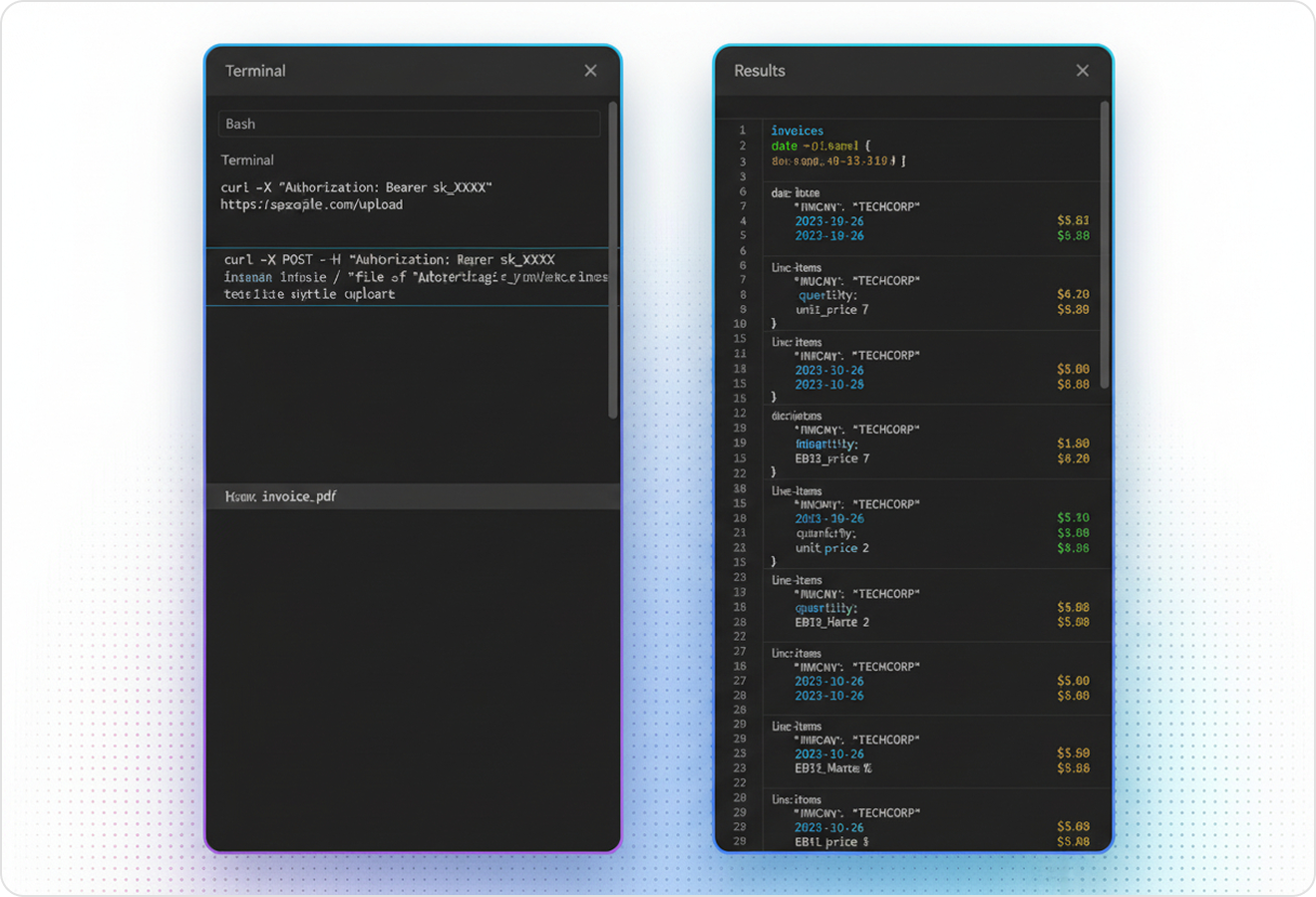
LlamaParse can output clean JSON plus granular metadata (page numbers, coordinates, and element types) so every extracted field is traceable to the source document. In claims workflows, that enables fast audits and human review queues where adjusters can jump directly to the evidence behind a decision.
Feature 04
LlamaParse runs validation loops to catch common extraction failures like hallucinated values, inconsistent totals, or broken formatting before returning results. For health insurance claims processing, this improves straight-through processing rates and reduces costly manual QA on high-volume submissions.
Technical OCR documentation
Explore our developer guides to easily connect your document pipelines to LlamaParse.
Explore the framework

Our AI catches the typos that tired eyes miss.

Export to Excel, JSON, XML, or directly via API.

SOC2 Type II compliant with end-to-end encryption.

Train the tool on your specific forms in minutes, not days.

Average processing time of <3 seconds per page.
LlamaParse’s support of a wide variety of filetypes and its accuracy of parsing made it the best tool we tested in our evaluations. The LlamaIndex team was very responsive and we were off to the races within a day.
Common FAQs
01
It’s layout-aware, so it preserves the correct reading order across multi-column forms, headers/footers, and tightly packed sections. That keeps member, provider, and payer details mapped to the right fields—reducing normalization work and preventing errors that lead to denials or rework.
02
Yes—complex claim tables are extracted without scrambling rows or columns, including line items, units, charges, adjustments, and totals. This makes billed-amount validation and EOB reconciliation more reliable, so your adjudication rules run with fewer exceptions.
03
Each output can include structured JSON plus citations like page number, coordinates, and element type. That gives auditors and adjusters a clear trail of evidence and enables fast review by jumping directly to the exact location in the document.
04
How do you prevent incorrect values or inconsistent totals from slipping into our workflow?
The system runs validation and self-correction loops to catch common extraction failures—like hallucinated values, mismatched totals, or broken formatting—before results are returned. That improves straight-through processing rates and reduces time spent on manual QA.
05
What does integration look like with our existing claims processing software and downstream rules engines?
You receive clean, structured JSON that’s easy to map into your existing pipelines, whether you’re feeding adjudication rules, workflow queues, or analytics. Because the data is consistent and citeable, teams typically spend less time on custom parsing logic and exception handling.
06
How does this reduce denials and rework compared to basic OCR or template-based extraction?
Basic OCR often loses structure—especially in multi-column layouts and tables—leading to mis-mapped fields and downstream errors. By preserving layout and validating outputs, you get more accurate, review-ready data that helps prevent avoidable denials and speeds up processing.